Matrix Audio
Couldn't load pickup availability
Have a trade-in item? Click here.
Specs
| Type | Class A analog stereo preamplifier |
| Amplification class | Class A |
| Circuit topology | Fully balanced |
| Analog inputs | 3 pairs RCA + 3 pairs XLR (level attenuation/compensation settable per input) |
| Analog outputs | 1 pair RCA + 2 pairs XLR (can output simultaneously or separately) |
| Volume control | Precision electronic volume control |
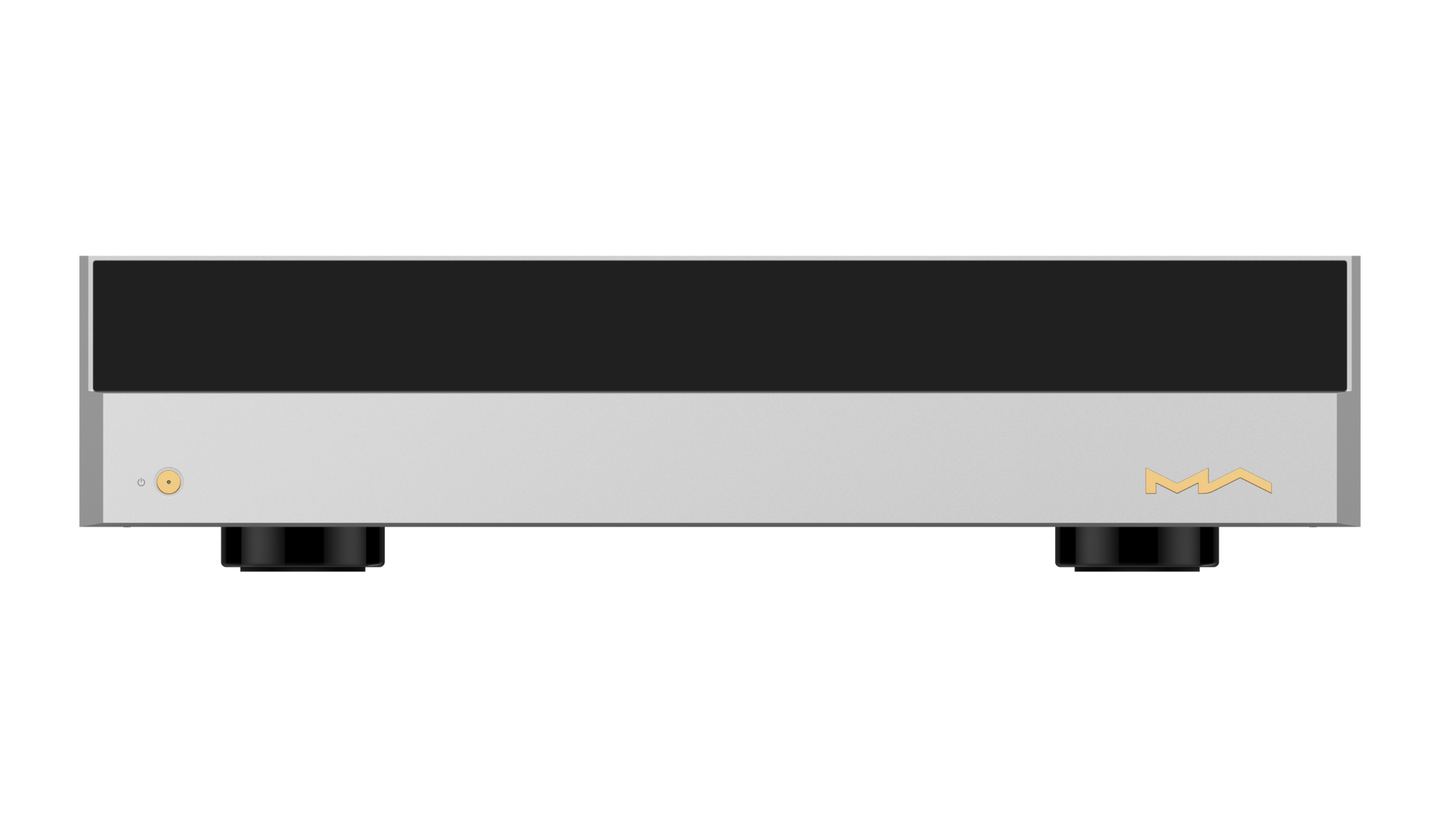
| Chassis | Machined aluminum flagship enclosure |
| XLR Input Impedance | 40kΩ |
| RCA Input Impedance | 20kΩ |
| XLR Output Impedance | 40Ω |
| RCA Output Impedance | 20Ω |
| XLR Max Input Level | 9VRMS |
| XLR Max Output Level | 36VRMS |
| RCA Max Input Level | 4.5VRMS |
| RCA Max Output Level | 18VRMS |
| Frequency Response | 20-20kHz ±0.1 250kHz@-3dB |
| Dynamic Range of XLR Output | 129dB@A-weighting, 125dB@Unweighting |
| Dynamic Range of RCA Output | 125dB@A-weighting, 120dB@Unweighting |
| THD+N of XLR Output | <0.00015%@A-weighting, <0.00020%@Unweighting |
| THD+N of RCA Output | <0.00040%@A-weighting, <0.00040%@Unweighting |
| Crosstalk of XLR Output | -140dB |
| Crosstalk of RCA Output | -130dB |
| Gain | +12dB |
| Volume Steps | 100 |
| Trigger | Trigger in DC 6-12V < 10mA |
| Power Voltage | AC 100V-120V 50/60Hz or AC 220V-240V 50/60Hz Factory fixed |
| Standby Power Consumption | < 1W |
| Maximum Power Consumption | < 70W |
| Dimensions (W x H x D) | 430 x 106 x 349 mm (16.93 x 4.17 x 13.74 in) |
| Weight | 15.7kg (34.6 pounds) |
| Supplied Remote | RM4C remote control |
Warranty
Sold as an authorized Matrix Audio dealer by All Elite Audio. New Matrix Audio MP-1 units include the full Matrix Audio manufacturer warranty of 1 year parts and labor for the original owner. Contact us with any setup or service questions.
What's in the Box
- Matrix Audio MP-1 preamplifier
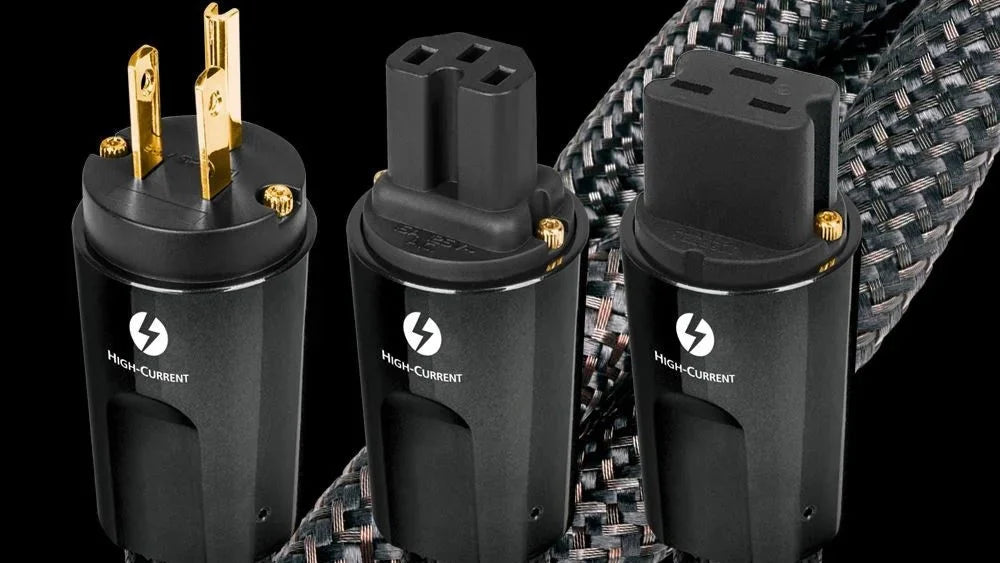
- Power cable
- Remote control
- Quick start guide and documentation
Overview
The Matrix Audio MP-1 is the flagship analog preamplifier from Matrix Audio, a Chinese high-fidelity electronics specialist founded in 2010. Built around a pure Class A gain stage and a true balanced signal path, the MP-1 is engineered to act as the quiet, transparent hub of a high-resolution system, passing the character of your source through to the power amplifier without editorializing.
Class A operation keeps the output devices continuously conducting for the lowest possible distortion at normal listening levels, while the fully balanced architecture and XLR connectivity reject noise across long cable runs and preserve dynamic contrast. A precision volume control maintains channel balance and resolution at low levels, so late night listening keeps the same tonal integrity as loud playback.
The MP-1 is for the listener assembling a reference two channel system who wants a dedicated analog line stage rather than an all in one. It pairs naturally with the Matrix Audio MA-1 power amplifier and a Matrix Audio streamer or DAC to form a complete, tonally matched chain.
Key Features
- Flagship Class A analog gain stage for very low distortion at listening levels
- True balanced circuit design with XLR inputs and outputs
- Precision volume control that preserves channel balance and resolution at low levels
- Single ended RCA inputs and outputs for flexible integration
- Designed as the tonal match for the Matrix Audio MA-1 power amplifier
- Low noise power supply topology serving the analog stages
- Rigid, resonance aware chassis in the Matrix Audio flagship industrial design
- Purely analog line stage with no onboard DAC, keeping the signal path short
How the MP-1 Compares
Matrix Audio MP-1 vs Accuphase C-2300
The Accuphase C-2300 is a Japanese precision control center with extensive input options, tone and balance adjustment, and its own volume technology. The Matrix Audio MP-1 takes a more minimalist route, focusing on a short Class A balanced line stage with fewer controls in the signal path. Choose the Accuphase for a fully featured control center and the MP-1 for a purist analog line stage to anchor a Matrix Audio chain. See the Accuphase C-2300.
Matrix Audio MP-1 vs TEAC UD-701N
The TEAC UD-701N combines a DAC, network player, headphone amp and preamp in one chassis, ideal when you want digital source and preamplification together. The MP-1 is a dedicated analog preamplifier with no onboard DAC, intended to pair with a separate Matrix Audio streamer or DAC. Pick the TEAC for a compact one box front end and the MP-1 for a full separates approach. See the TEAC UD-701N.
Matrix Audio MP-1 vs Advance Paris X-P1200 Classic
The Advance Paris X-P1200 Classic is a preamplifier with a warm, classically voiced presentation and generous connectivity. The Matrix Audio MP-1 pursues a leaner, low noise Class A balanced character built to reveal the source. Choose the Advance Paris for its classic voicing and the MP-1 for a reference oriented, tonally neutral line stage. See the Advance Paris X-P1200 Classic.
Recommended Power Amplifier, Source and Speakers
Build a complete tonally matched separates system around the MP-1 with its natural Matrix Audio partners and a set of resolving speakers.
- Matrix Audio MA-1 Power Amplifier The flagship Class AB power amplifier is the intended partner for the MP-1, giving you a fully balanced, tonally matched Matrix Audio amplification chain.
- Matrix Audio MS-1 Streamer and DAC A flagship streamer and DAC that feeds the MP-1 with Roon Ready, TIDAL, Qobuz and high rate PCM and DSD playback for a native Matrix Audio source stage.
- Matrix Audio ND-1 DAC A focused DAC option if you want a dedicated converter feeding the MP-1 alongside an external transport or streamer.
- Spendor A7.2 Floorstanders A refined, even handed floorstander that rewards the low noise and neutral character of a Class A line stage.
- Amphion Argon 3LX A precise, controlled dispersion floorstander that shows off the transparency and dynamics of the MP-1 and MA-1 pairing.
Frequently Asked Questions
What is the Matrix Audio MP-1?
It is the flagship Class A analog preamplifier from Matrix Audio, designed as a transparent line stage to sit between your source and power amplifier.
Does the MP-1 have a built in DAC?
No. The MP-1 is a purely analog preamplifier. Pair it with a Matrix Audio streamer or DAC such as the MS-1 or ND-1 for digital playback.
What amplifier class does the MP-1 use?
It uses a Class A gain stage, which keeps the output devices continuously conducting for very low distortion at normal listening levels.
Is the MP-1 a balanced design?
Yes. It uses a true balanced circuit with XLR inputs and outputs, along with single ended RCA connections.
What power amplifier should I pair with the MP-1?
The Matrix Audio MA-1 flagship Class AB power amplifier is the natural, tonally matched partner.
Can I use the MP-1 with a non Matrix Audio power amplifier?
Yes. Its balanced and single ended outputs let it drive most modern power amplifiers, though the MA-1 is the intended match.
Does the MP-1 support streaming?
No. Streaming lives in Matrix Audio source components such as the MS-1, MS-1c or TS-1. The MP-1 handles analog line level preamplification.
What sources can I connect to the MP-1?
Any line level source can connect via its balanced XLR or single ended RCA inputs, including a DAC, streamer or phono stage output.
Does the MP-1 have a remote control?
Yes, a remote control is included for volume and everyday operation.
Why choose a separate preamplifier over an all in one?
A dedicated preamplifier keeps the analog signal path short and isolated, which can lower noise and let you tailor each part of the system independently.
Does the MP-1 have a headphone output?
The MP-1 is a line stage preamplifier. For headphone listening, look at a Matrix Audio component with a dedicated headphone amplifier such as the TS-1.
How does the precision volume control help?
It maintains channel balance and resolution even at low levels, so quiet listening keeps the same tonal integrity as loud playback.
Is the MP-1 suitable for a reference two channel system?
Yes. It is built as the analog hub of a high resolution separates system, especially alongside the MA-1 and a Matrix Audio source.
What speakers work well with the MP-1 system?
Resolving, well voiced speakers like the Spendor A7.2, Amphion Argon 3LX or Amphion Argon 3X show off its transparency and dynamics.
Does the MP-1 add a tonal character of its own?
It is designed to be neutral and low in noise, passing the character of your source and power amplifier rather than adding its own coloration.
Can the MP-1 anchor a full Matrix Audio chain?
Yes. Combine it with the MA-1 power amplifier and an MS or TS series streamer or the ND-1 DAC for a complete matched system.
Does the MP-1 need a network switch or isolator?
The MP-1 itself is not networked, but if your Matrix Audio streamer is, an audio grade switch or isolator like the SS-1 or SI-1 can lower network noise ahead of it.
What cables should I use with the MP-1?
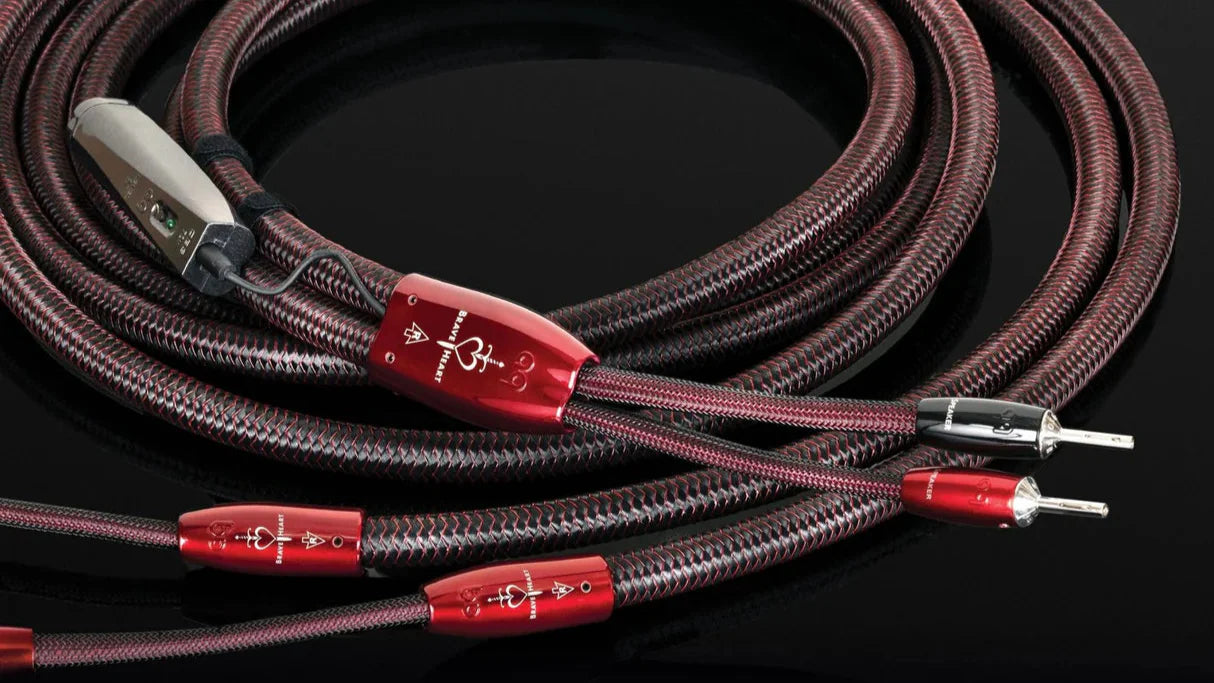
Balanced XLR interconnects are recommended for the fully balanced path, with quality speaker cable such as Audioquest options between the MA-1 and your speakers.
Who is the MP-1 best suited for?
Listeners building a reference separates system who want a dedicated, purist Class A analog line stage rather than an all in one solution.
Why buy from All Elite Audio?
All Elite Audio is an authorized Matrix Audio dealer in MD, so you receive a genuine unit with full manufacturer support, expert system matching advice and knowledgeable service before and after your purchase.


Outlet Deals
-
McIntosh MC152
Power Amplifier (USED)Regular price $4,495.00Regular priceUnit price per -
Parasound HALO A21+ (USED)
Power Amplifier (USED)Regular price $4,000.00Regular priceUnit price per$5,000.00Sale price $4,000.00SALE -
Advance Paris A12 APEX
Integrated Amplifier (USED)Regular price $3,995.00Regular priceUnit price per$4,999.00Sale price $3,995.00SALE -
Advance Paris A12 Classic
Integrated Amplifier (USED)Regular price $3,600.00Regular priceUnit price per$4,500.00Sale price $3,600.00SALE -
 SALE
SALEHegel H190v
Integrated Amplifier (USED)Regular price $2,995.00Regular priceUnit price per$4,600.00Sale price $2,995.00SALE -
 SALE
SALEHiFi Rose RS520
Streaming Integrated Amplifier (USED)Regular price $2,995.00Regular priceUnit price per$3,995.00Sale price $2,995.00SALE


New Releases
-
KLH Model Four
Floorstanding SpeakersRegular price $1,999.98Regular priceUnit price per$1,999.98Sale price $1,999.98 -
Dual CS 718Q
TurntableRegular price $3,500.00Regular priceUnit price per$3,500.00Sale price $3,500.00 -
EverSolo DMP-A8 Gen 2
Music Streamer, DAC & PreamplifierRegular price $1,980.00Regular priceUnit price per$1,980.00Sale price $1,980.00 -
EverSolo DMP-A8 Gen 2 Master Edition
Music Streamer, CD Player, DAC & PreamplifierRegular price $2,580.00Regular priceUnit price per$2,580.00Sale price $2,580.00 -
Luxman L-100 CENTENNIAL
Pure Class A Integrated AmplifierRegular price $11,995.00Regular priceUnit price per$11,995.00Sale price $11,995.00 -
EverSolo T10
Streaming TransportRegular price $2,180.00Regular priceUnit price per$2,180.00Sale price $2,180.00