Matrix Audio
Couldn't load pickup availability
Have a trade-in item? Click here.
Specs
| Type | Class AB stereo power amplifier (stereo / mono / bridged modes) |
| Amplifier Class | Class AB |
| Channels | 2 |
| Circuit Topology | True balanced |
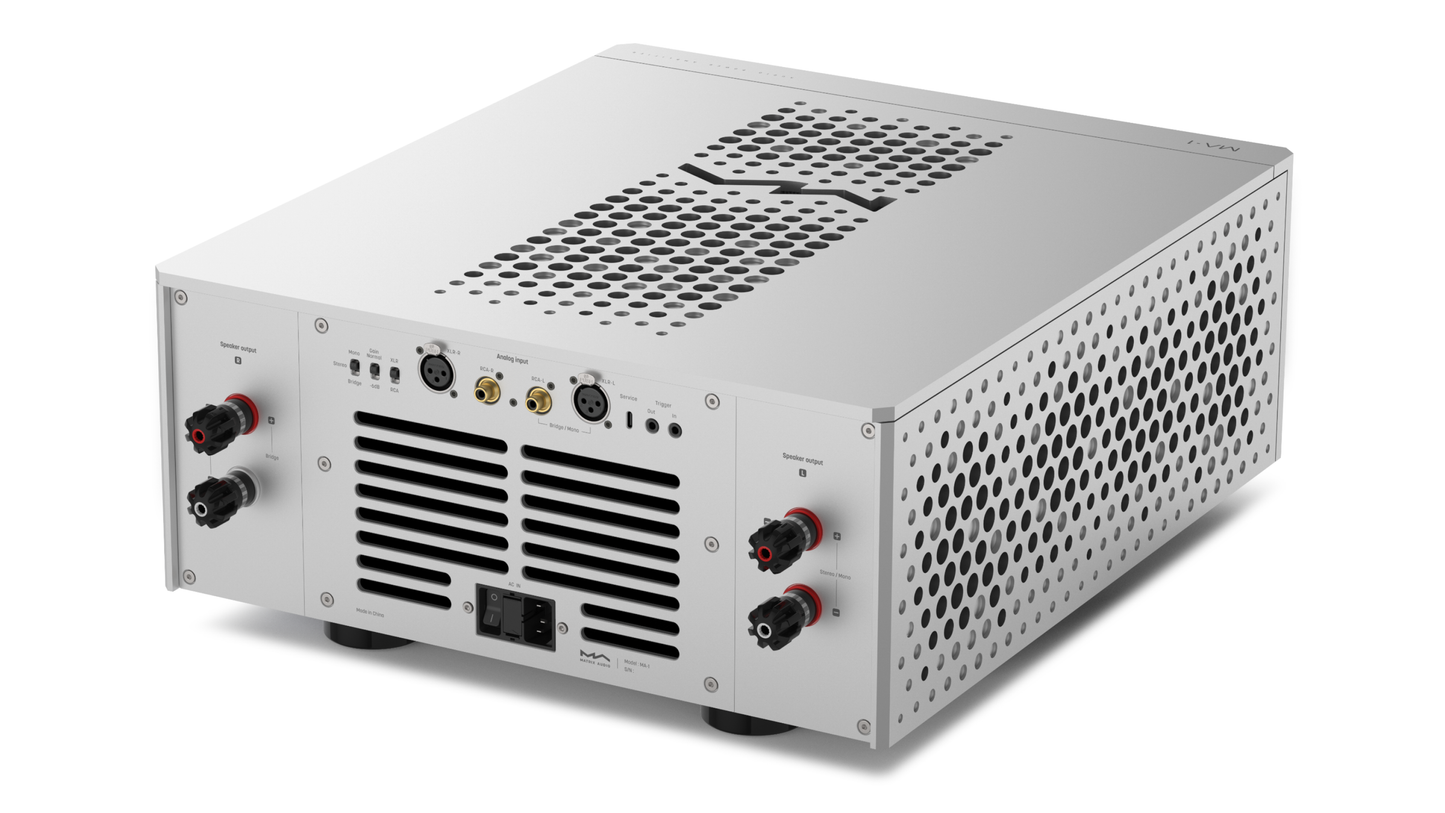
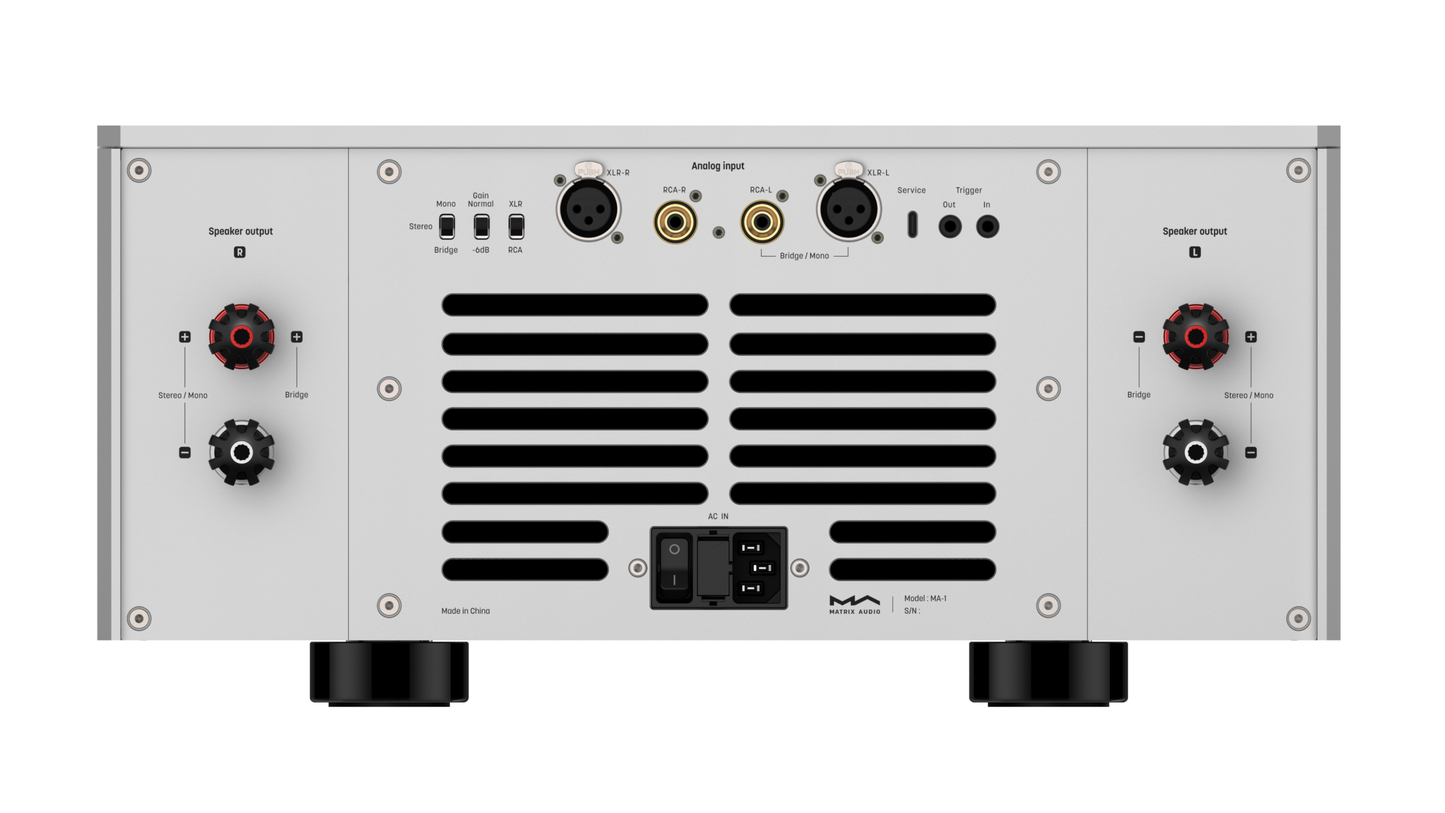
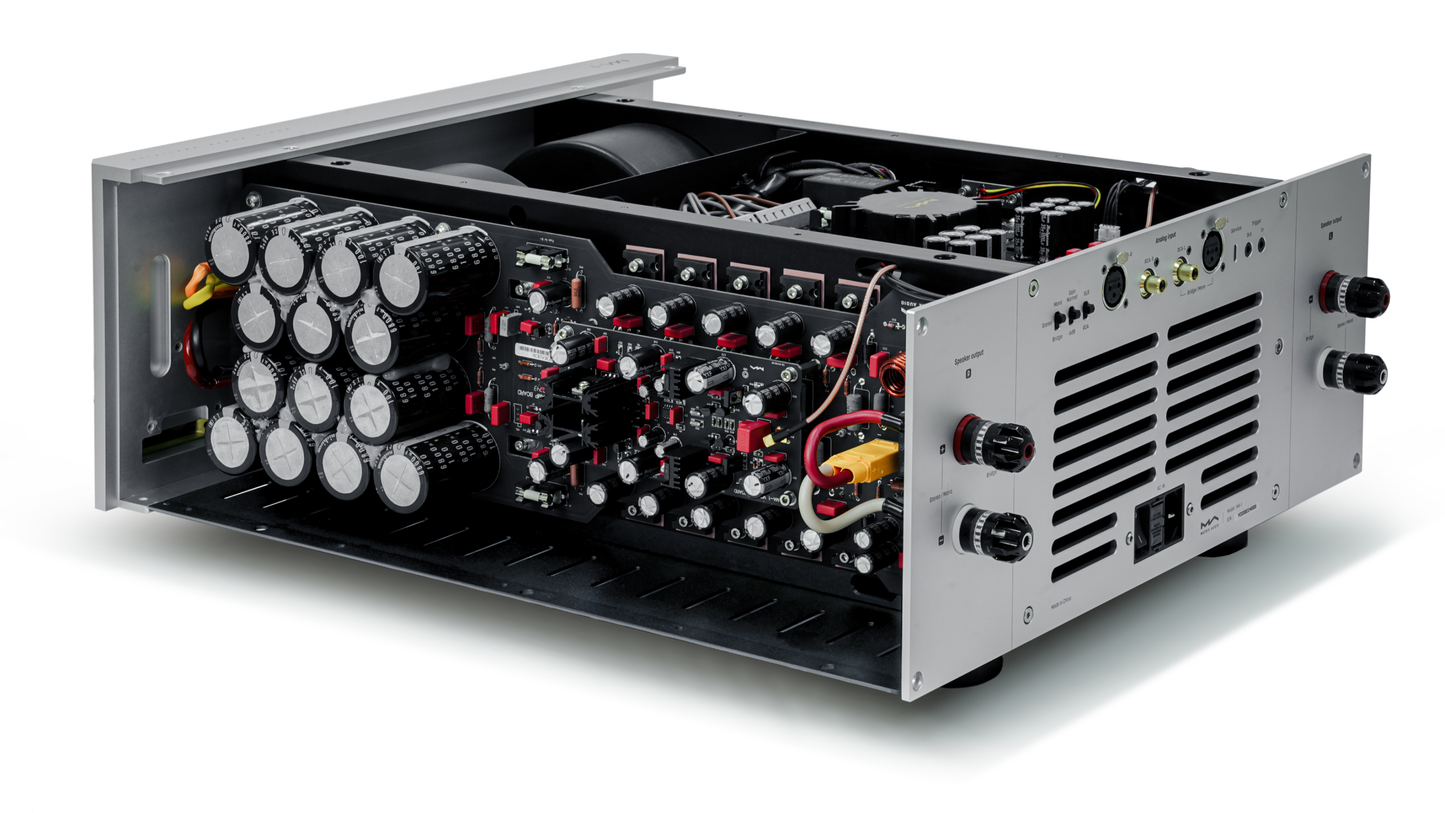
| Inputs | Balanced XLR and single ended RCA |
| Outputs | Binding post speaker terminals |
| XLR Input Impedance | 40kΩ |
| RCA Input Impedance | 20kΩ |
| Input Sensitivity | 1.48Vrms@Stereo/Mono mode, 1Vrms@Bridge mode |
| Output Power in Stereo/Mono mode | 2x 250WRMS@8Ω, 2x 450WRMS@4Ω |
| Output Power in Bridged mode | 1x 500WRMS@8Ω, 1x 900WRMS@4Ω (Music signal only) |
| Frequency Response | 20-20kHz (+0, -0.15dB), 160kHz@-3dB |
| SNR | 119dB@+24dB A-weighting, 123dB@+30dB A-weighting |
| THD+N | <0.02%@250W 8Ω in Stereo/Mono mode, <0.06%@500W 8Ω in Bridged mode |
| Crosstalk | -125dB |
| Gain | +24dB/+30dB |
| Speaker Impedance | Stereo/Mono mode 2-16Ω, Bridged mode 4-16Ω |
| Damping Factor | 350@8Ω 1kHz |
| Trigger | Trigger in DC 6-12V <10mA |
| Power Voltage | AC 100V-120V 50/60Hz or AC 220V-240V 50/60Hz Factory fixed |
| Standby Power Consumption | < 1W |
| Idle Power Consumption | 250-350W |
| Maximum Power Consumption | < 1250W |
| Dimensions (W x H x D) | 430 x 201 x 518 mm (16.93 x 7.91 x 20.39 in) |
| Weight | 42.4kg (93.5 pounds) |
Warranty
Sold as an authorized Matrix Audio dealer by All Elite Audio. New Matrix Audio MA-1 units include the full Matrix Audio manufacturer warranty of 1 year parts and labor for the original owner. Contact us with any setup or service questions.
What's in the Box
- Matrix Audio MA-1 power amplifier
- AC power cable
- User manual
- Warranty documentation
Overview
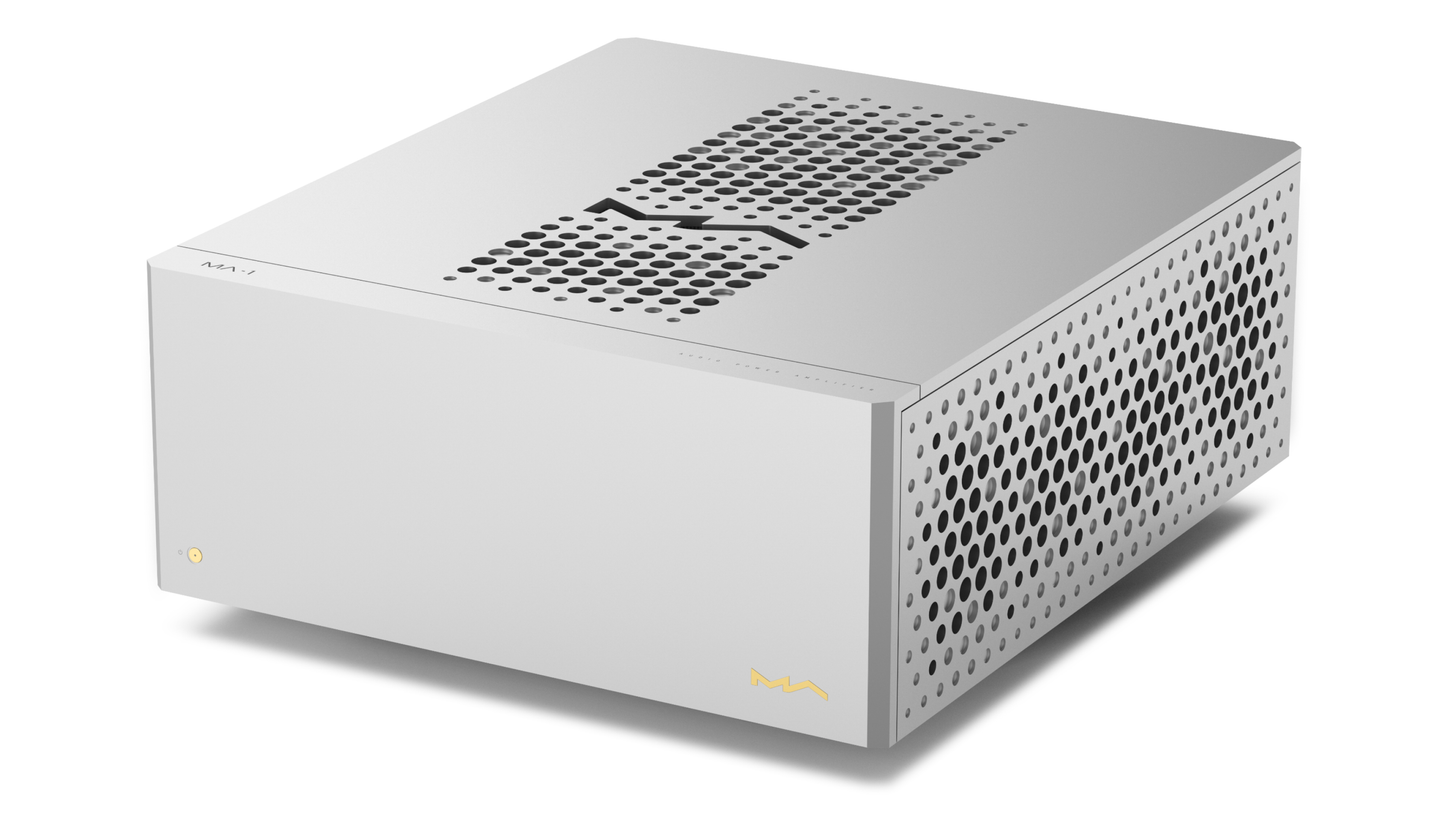
The Matrix Audio MA-1 is the flagship stereo power amplifier from Matrix Audio, a Chinese high-fidelity electronics maker founded in 2010 that built its reputation on precision digital sources and now applies that same engineering discipline to analog amplification. The MA-1 uses a Class AB output stage designed to deliver high current and effortless control while keeping distortion low across the audible band. It is a pure power amplifier, so it partners with a preamplifier or a DAC and preamp with a volume control.
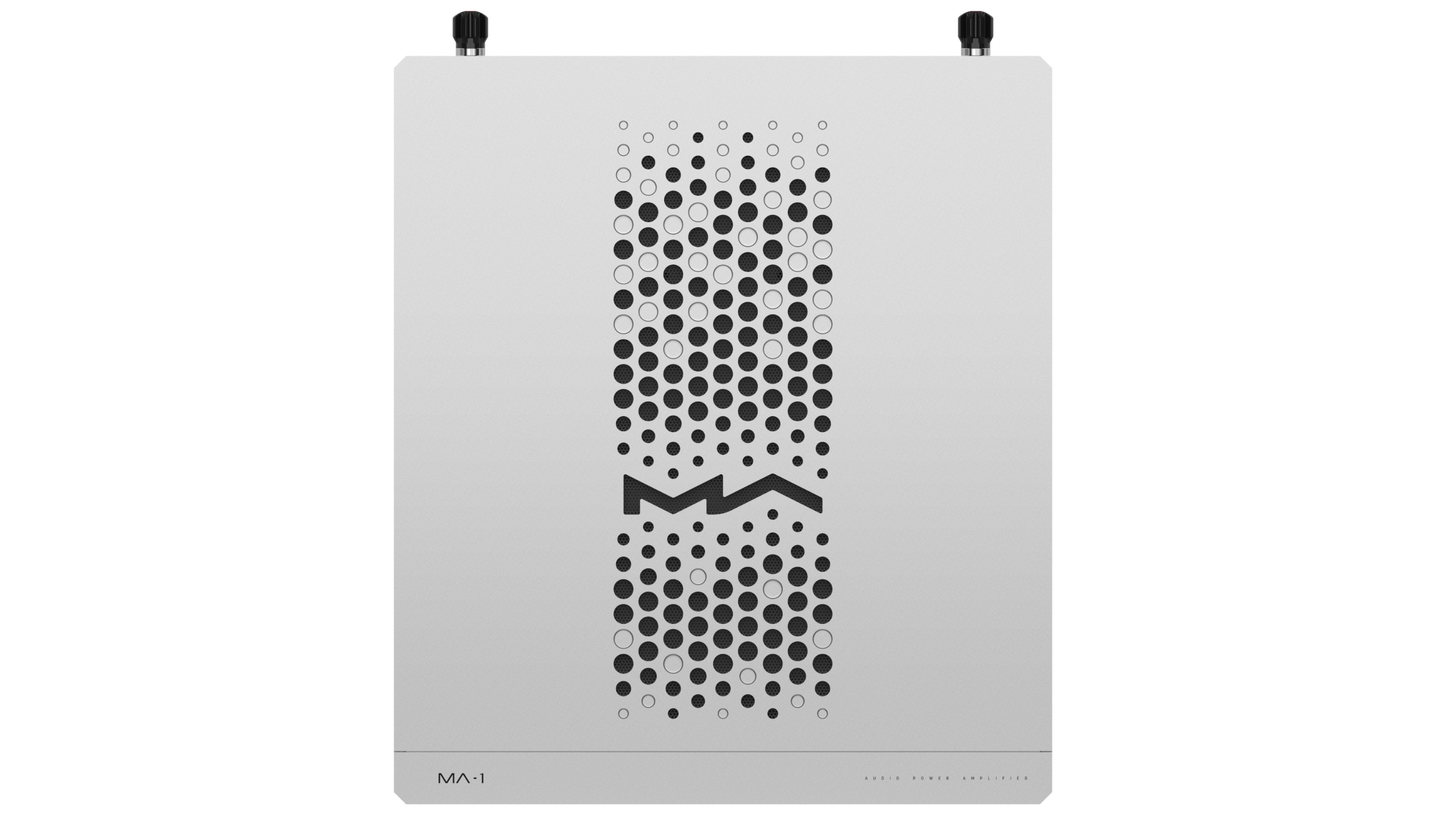
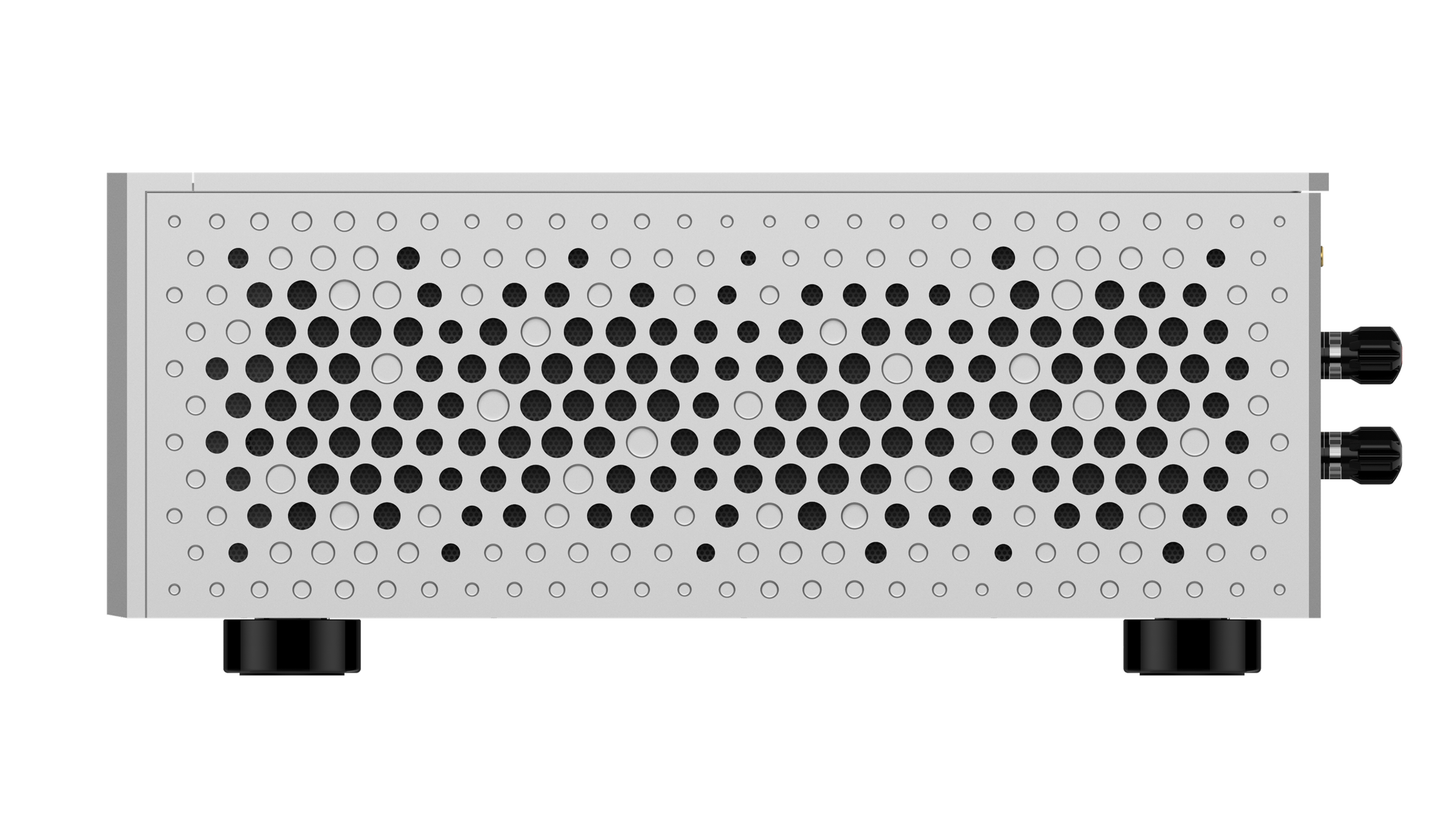
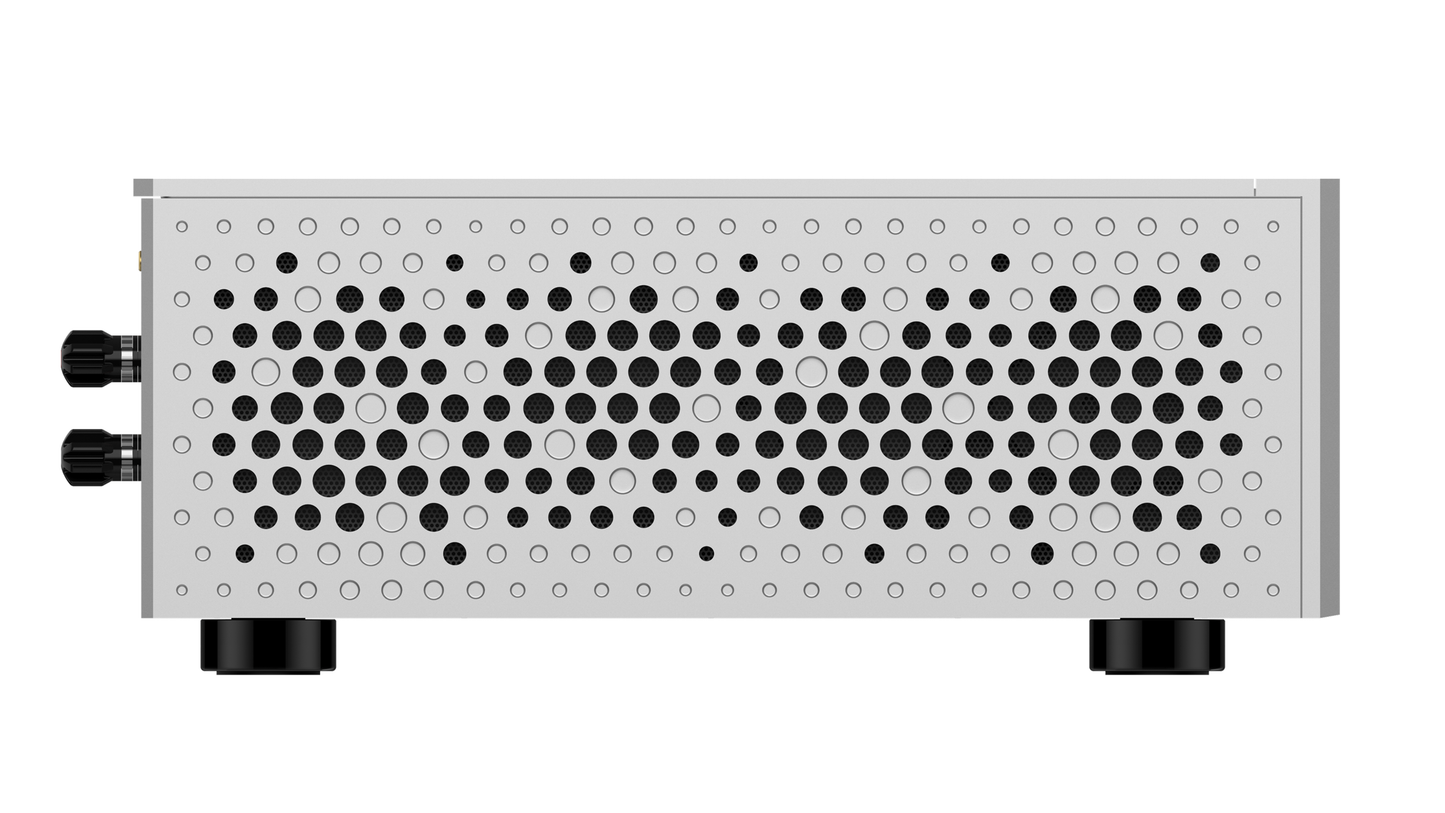
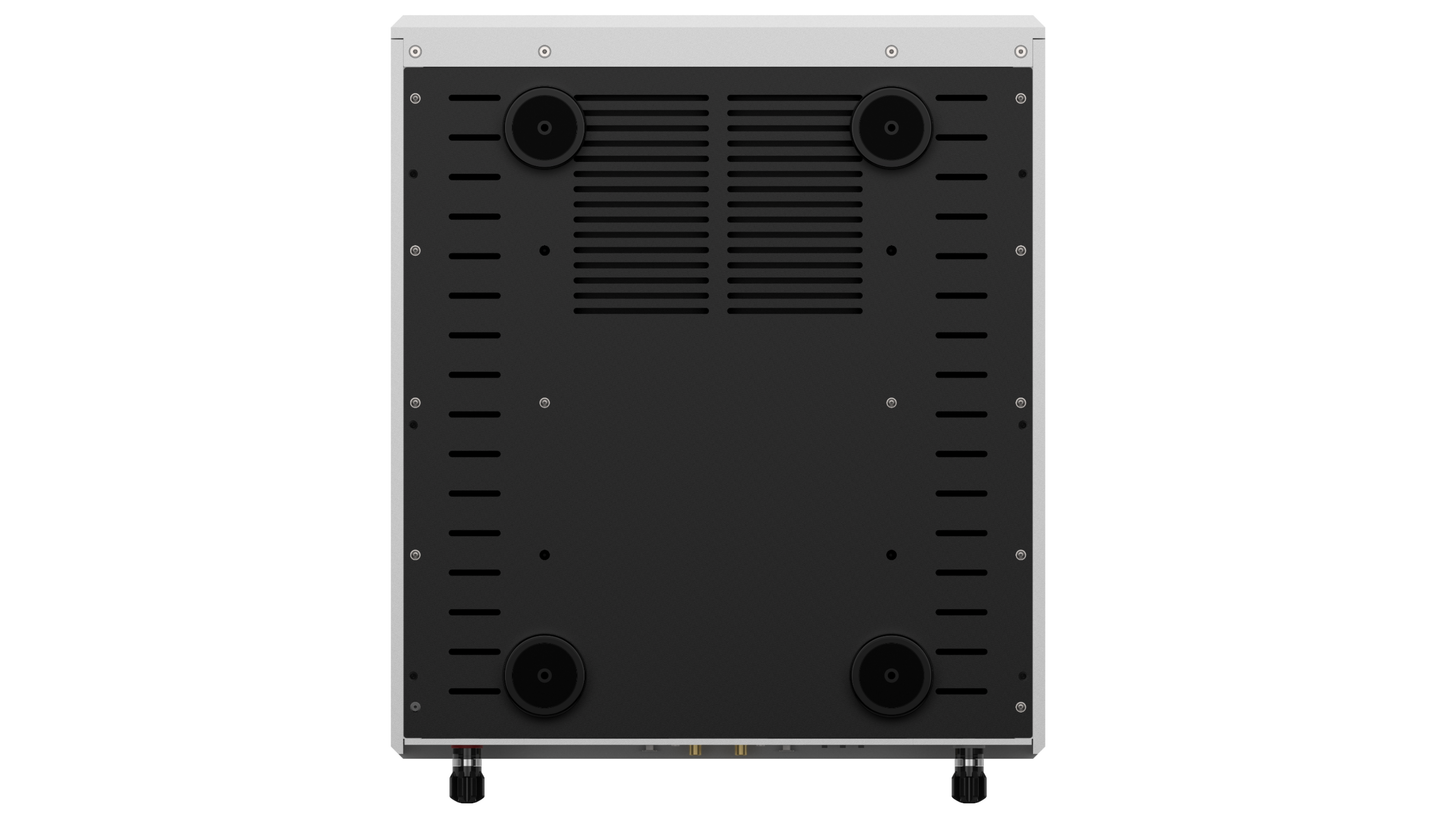
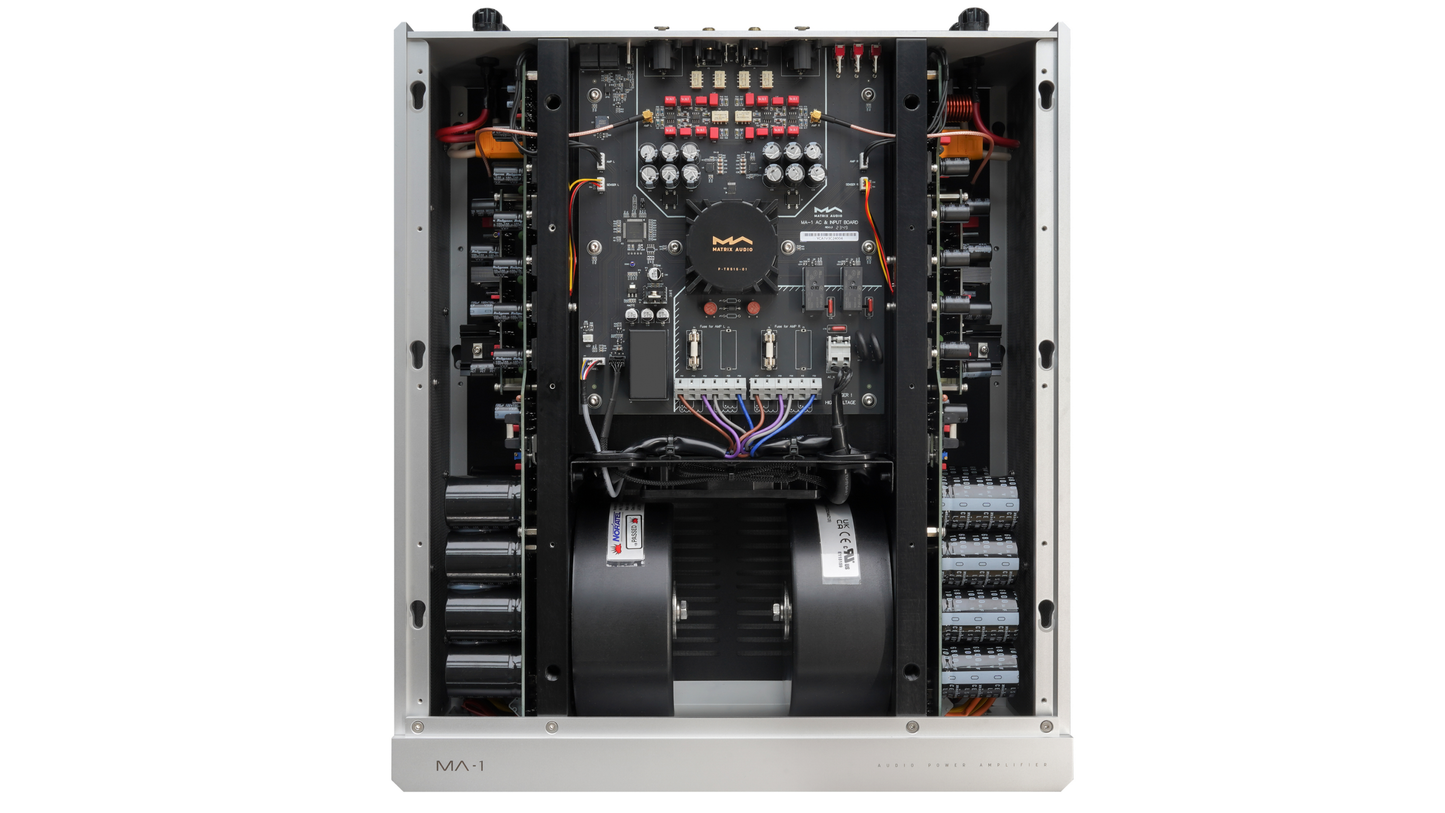
Built around true balanced circuit topology with XLR inputs, the MA-1 is engineered to preserve signal integrity from source to speaker terminals. A substantial power supply and robust output devices give it the headroom to drive demanding loads and maintain composure during dynamic peaks, which is what a flagship two channel amplifier is meant to do. The chassis and heat management reflect a design goal of stable, long term operation under load.
The MA-1 is for the listener who wants a clean, authoritative stereo amplifier to sit at the heart of a high resolution system. It pairs naturally with the Matrix Audio MP-1 Class A preamplifier or the MS-1 Pre streaming DAC and preamplifier, forming a complete Matrix Audio signal chain built to the same standard.
Key Features
- Flagship stereo power amplifier from Matrix Audio
- Class AB output stage for high current delivery and low distortion
- True balanced circuit topology with XLR inputs
- Large capacity power supply for dynamic headroom and load stability
- Robust output devices engineered to drive demanding speakers
- Balanced and single ended inputs for flexible system integration
- Designed to pair with the Matrix Audio MP-1 preamplifier or MS-1 Pre
- Effective thermal management for stable operation under sustained load
How the MA-1 Compares
Matrix Audio MA-1 vs Parasound JC5 Stereo Power Amp
The JC5 is a single chassis stereo power amplifier with a warm, muscular presentation shaped by John Curl's design language. The MA-1 leans toward a clean, precise character consistent with the Matrix Audio digital heritage and true balanced circuit approach. Choose the JC5 if you want a classic high current American voicing, or the MA-1 if you want a tightly integrated Matrix Audio chain. See the Parasound JC5 Stereo Power Amp.
Matrix Audio MA-1 vs Yamaha M-5000
The Yamaha M-5000 emphasizes mechanical rigidity, symmetrical layout and a refined, neutral tone rooted in Yamaha's flagship tradition. The MA-1 shares a commitment to balance and control but is designed as the partner to Matrix Audio's own preamps and streaming DAC. Pick the M-5000 for a self contained Yamaha statement, or the MA-1 to complete a Matrix Audio system. See the Yamaha M-5000.
Matrix Audio MA-1 vs Parasound JC1+ Monoblock
The JC1+ is a pair of monoblocks that place all resources into a single channel each for maximum isolation and current into difficult loads. The MA-1 is a single chassis stereo design that keeps both channels in one refined package with true balanced inputs. Choose the JC1+ for a mono statement approach, or the MA-1 for a streamlined flagship stereo solution. See the Parasound JC1+ Monoblock.
Recommended Preamplifier and Speakers
The MA-1 is a pure power amplifier, so pair it with a Matrix Audio preamplifier stage and speakers that reward its current and control.
- Matrix Audio MP-1 Preamplifier The MP-1 Class A preamplifier is the natural analog partner for the MA-1, giving you volume control and true balanced connection within one voicing family.
- Matrix Audio MS-1 Pre If you want streaming, DAC and preamp in one box ahead of the MA-1, the MS-1 Pre adds Roon Ready, TIDAL, Qobuz and a volume control through the MA control app.
- Gauder Akustik Arcona 60 MKII SD A resolving floorstander that rewards the MA-1's control and headroom, revealing the clean, precise character of the Matrix chain.
- Amphion Argon 7LX A coherent, well behaved floorstander that pairs cleanly with the MA-1 for detailed, neutral presentation in mid sized rooms.
- Spendor D7.2 A refined floorstander whose balanced voicing suits the MA-1's authoritative, low distortion delivery across a wide range of music.
Frequently Asked Questions
What is the Matrix Audio MA-1?
It is the flagship stereo power amplifier from Matrix Audio, built with a Class AB output stage and true balanced circuit topology.
Does the MA-1 have a volume control?
No. It is a pure power amplifier, so it needs a preamplifier or a DAC and preamp with a volume control to set level.
What amplifier class does the MA-1 use?
The MA-1 uses a Class AB output stage designed for high current delivery with low distortion.
What preamplifier should I use with the MA-1?
The Matrix Audio MP-1 Class A preamplifier or the MS-1 Pre streaming DAC and preamplifier are ideal partners within the same voicing family.
Does the MA-1 have balanced inputs?
Yes. It uses true balanced circuit topology and accepts XLR balanced connections, along with single ended inputs.
Is the MA-1 a stereo or mono amplifier?
It is a single chassis stereo amplifier with two channels.
Can the MA-1 drive demanding speakers?
It is engineered with a large power supply and robust output devices to maintain control and headroom into demanding loads.
Does the MA-1 stream music?
No. The MA-1 is a power amplifier only. For streaming, add the Matrix Audio MS-1 Pre ahead of it.
What speakers pair well with the MA-1?
Resolving floorstanders such as the Gauder Akustik Arcona 60 MKII SD, Amphion Argon 7LX or Spendor D7.2 are excellent matches for its power and control.
How does the MA-1 differ from monoblocks like the Parasound JC1+?
The MA-1 keeps both channels in one refined chassis, while monoblocks dedicate a separate chassis to each channel for maximum isolation.
What character does the MA-1 have?
It leans toward a clean, precise and authoritative presentation consistent with Matrix Audio's engineering heritage.
Does the MA-1 include speaker cables?
No. Speaker cables such as the Audioquest Robin Hood SILVER are recommended separately.
Can I build a full Matrix Audio system around the MA-1?
Yes. Pairing the MA-1 with the MP-1 preamplifier or the MS-1 Pre creates a complete Matrix Audio chain built to the same standard.
What inputs does the MA-1 have?
It offers balanced XLR and single ended RCA inputs for flexible system integration.
Is Matrix Audio a reputable brand?
Matrix Audio is a Chinese high-fidelity electronics maker founded in 2010, known for precision digital sources and carefully engineered components.
Does the MA-1 run hot?
As a Class AB design it generates heat under load and uses effective thermal management to stay stable during extended listening.
How does the MA-1 compare to the Yamaha M-5000?
Both prioritize balance and control, but the M-5000 is a self contained Yamaha statement while the MA-1 is designed as the partner to Matrix Audio's own preamps and streaming DAC.
What is the warranty on the MA-1?
It carries a one year parts and labor warranty from Matrix Audio for the original owner.
Can the MA-1 be used with a DAC that has a volume control?
Yes. Any preamp or DAC and preamp with a volume control, such as the MS-1 Pre, can drive the MA-1 directly.
Why buy from All Elite Audio?
All Elite Audio is an authorized Matrix Audio dealer, so you receive a genuine product with full manufacturer warranty support, expert system matching advice and dependable service.
Outlet Deals
-
McIntosh MC152
Power Amplifier (USED)Regular price $4,495.00Regular priceUnit price per -
Parasound HALO A21+ (USED)
Power Amplifier (USED)Regular price $4,000.00Regular priceUnit price per$5,000.00Sale price $4,000.00SALE -
Advance Paris A12 APEX
Integrated Amplifier (USED)Regular price $3,995.00Regular priceUnit price per$4,999.00Sale price $3,995.00SALE -
Advance Paris A12 Classic
Integrated Amplifier (USED)Regular price $3,600.00Regular priceUnit price per$4,500.00Sale price $3,600.00SALE -
 SALE
SALEHegel H190v
Integrated Amplifier (USED)Regular price $2,995.00Regular priceUnit price per$4,600.00Sale price $2,995.00SALE -
 SALE
SALEHiFi Rose RS520
Streaming Integrated Amplifier (USED)Regular price $2,995.00Regular priceUnit price per$3,995.00Sale price $2,995.00SALE


New Releases
-
KLH Model Four
Floorstanding SpeakersRegular price $1,999.98Regular priceUnit price per$1,999.98Sale price $1,999.98 -
Dual CS 718Q
TurntableRegular price $3,500.00Regular priceUnit price per$3,500.00Sale price $3,500.00 -
EverSolo DMP-A8 Gen 2
Music Streamer, DAC & PreamplifierRegular price $1,980.00Regular priceUnit price per$1,980.00Sale price $1,980.00 -
EverSolo DMP-A8 Gen 2 Master Edition
Music Streamer, CD Player, DAC & PreamplifierRegular price $2,580.00Regular priceUnit price per$2,580.00Sale price $2,580.00 -
Luxman L-100 CENTENNIAL
Pure Class A Integrated AmplifierRegular price $11,995.00Regular priceUnit price per$11,995.00Sale price $11,995.00 -
EverSolo T10
Streaming TransportRegular price $2,180.00Regular priceUnit price per$2,180.00Sale price $2,180.00