Accuphase
Have a trade-in item? Click here.
Specs
| Type | Compact Disc Player |
| D/A Converter | MDS (Multiple Delta Sigma) type |
| Frequency Response | 0.7 Hz to 50 kHz, +0 / -3.0 dB |
| Total Harmonic Distortion | 0.0008% (20 Hz to 20 kHz) |
| Signal to Noise Ratio | 119 dB |
| Dynamic Range | 116 dB |
| Digital Inputs | USB Type-B, coaxial, optical |
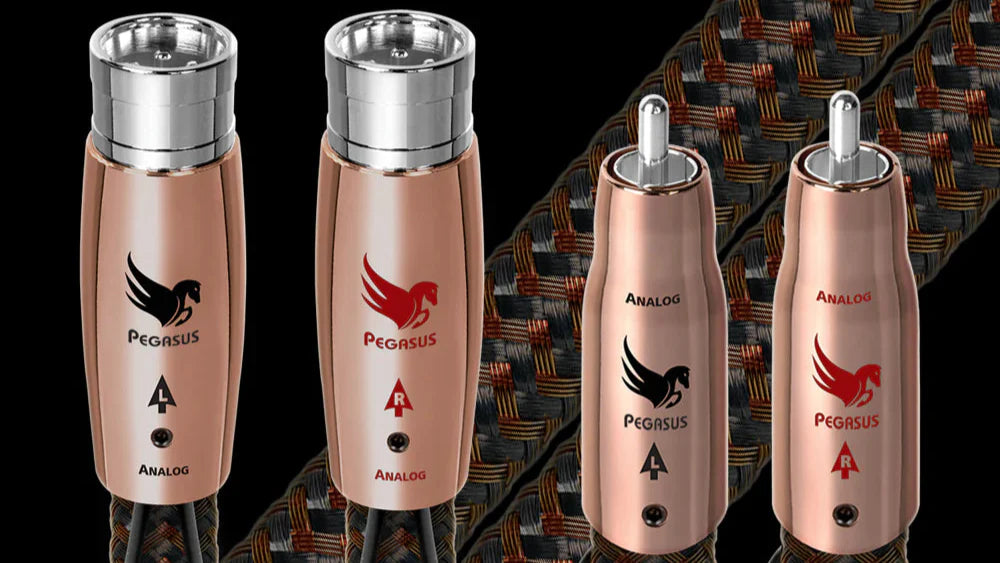
| Analog Outputs | Balanced (XLR) and unbalanced (RCA) |
| Digital Outputs | Coaxial and optical |
| Dimensions (W x H x D) | 465 x 151 x 393 mm |
| Weight | 13.7 kg |
| Power Consumption | 11 W |
Warranty
Sold as an authorized Accuphase dealer by All Elite Audio. New Accuphase DP-450 units include the full Accuphase USA manufacturer warranty of 3 years parts and labor for the original owner. Contact us with any service or setup questions.
What's in the Box
- Accuphase DP-450 CD Player
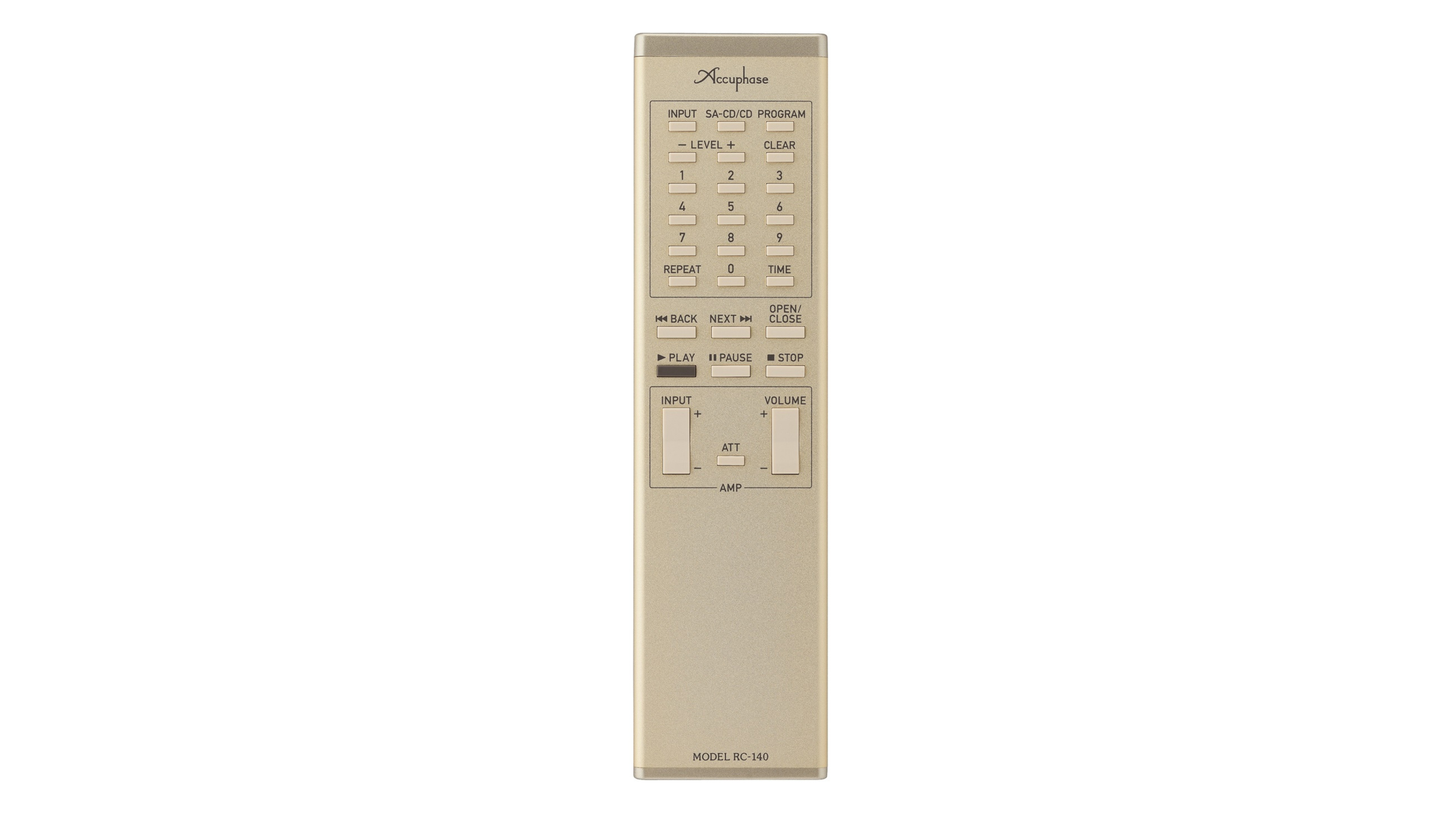
- Remote control
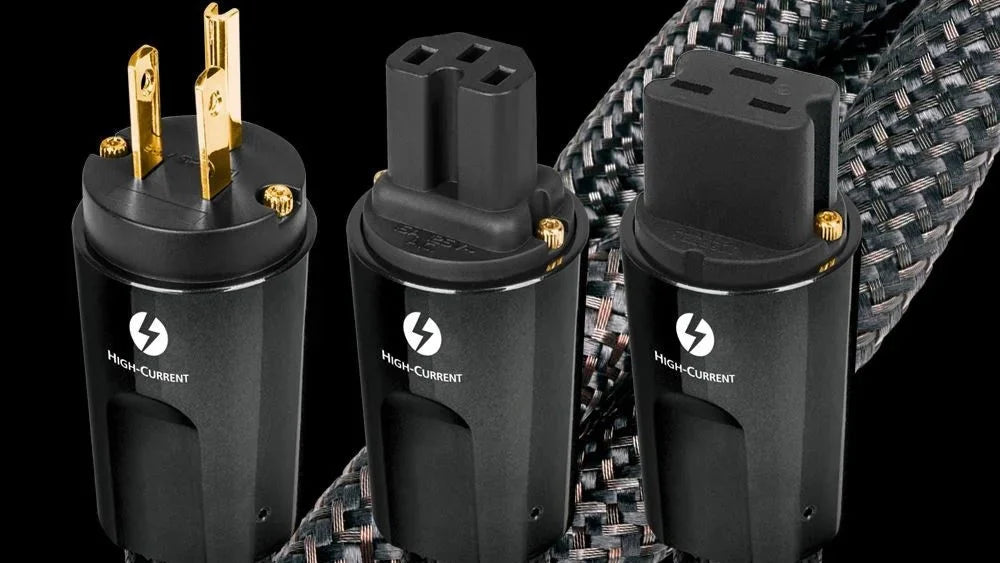
- AC power cord
- Analog interconnect cable
- Owner's manual
Overview
The Accuphase DP-450 is a dedicated CD player built around the company's belief that the compact disc remains a serious high fidelity source when read and converted with true precision. At its heart is Accuphase's MDS (Multiple Delta Sigma) D/A conversion, which operates several converter circuits in parallel to reduce noise and improve linearity, resulting in music that sounds smooth, natural, and free of digital hardness.
The transport mechanism is engineered specifically for stable, accurate disc reading, and the entire signal path benefits from the meticulous construction and low noise design that define Accuphase electronics. A rigid chassis, careful power supply isolation, and short signal routing all contribute to a presentation that is detailed yet unfatiguing over long listening sessions.
The DP-450 is ideal for the listener with a substantial CD collection who wants a long term reference source that will remain musically satisfying for years. It offers both analog and digital outputs, allowing it to serve as a complete player or as a high quality transport into an external converter, making it a flexible cornerstone for an Accuphase based system.
Key Features
- MDS (Multiple Delta Sigma) type D/A converter for low noise and high linearity
- Dedicated CD transport mechanism engineered for stable, accurate disc reading
- Balanced and unbalanced analog outputs for flexible system integration
- Coaxial and optical digital outputs allow use as a high quality transport
- Rigid, low resonance chassis construction for mechanical stability
- Carefully isolated power supply to preserve signal purity
- Refined, natural sound that stays unfatiguing over long sessions
- Built to Accuphase standards for long term reliability and reference performance
How the DP-450 Compares
Accuphase DP-450 vs Accuphase DP-570S
The DP-570S sits higher in the Accuphase range and adds SA-CD playback along with a more advanced MDS conversion implementation and further refined power supply and transport engineering. It offers greater resolution and a larger sense of scale for listeners who want the flagship level digital experience. The DP-450 delivers the same house character in a CD focused package that remains an outstanding choice for a dedicated red book library. See the Accuphase DP-570S.
Accuphase DP-450 vs Luxman D-03R
The Luxman D-03R is a CD player and DAC combination with the warm, fluid voicing that defines the Luxman house sound. It suits a listener who wants digital input flexibility and a slightly softer, romantic tonal balance. The DP-450 leans toward precision and low noise clarity, making the choice one of character and intended use rather than one being superior to the other. See the Luxman D-03R.
Accuphase DP-450 vs Luxman D-07X
The Luxman D-07X is a higher tier player with extensive DAC functionality and a rich, expressive presentation ideal for varied digital sources. The DP-450 focuses on disc based playback with Accuphase MDS conversion and an emphasis on natural, unfatiguing detail. Both are reference caliber, so the decision comes down to whether you prioritize versatile DAC features or a purpose built CD source. See the Luxman D-07X.
Recommended Amplifiers and Speakers
The DP-450 is a natural source for an all Accuphase system, and it scales beautifully with the following amplification and speakers.
- Accuphase E-4000 This integrated amplifier pairs seamlessly with the DP-450, providing ample power and the same refined tonal character for a fully coherent Accuphase front end and amplifier combination.
- Accuphase E-700 For listeners who prefer pure Class A warmth, the E-700 brings a silky, dimensional midrange that complements the DP-450's natural detail beautifully.
- Accuphase C-2300 If you want a separates route, this precision preamplifier preserves the DP-450's low noise clarity and offers a flexible control center for a growing system.
- Spendor Classic 200 This three way floorstander delivers a full bodied, natural tonality that lets the DP-450's smooth character shine across a wide range of music.
- Amphion Krypton 3X With its controlled dispersion and precise imaging, this speaker reveals the fine detail and clean transients the DP-450 extracts from CDs.
Frequently Asked Questions
What is the Accuphase DP-450?
It is a dedicated high end CD player from Accuphase built around MDS D/A conversion for refined, natural digital playback.
Does the DP-450 play SACD discs?
No, the DP-450 is a red book CD player. If you want SACD playback, the higher model DP-570S adds SA-CD capability.
What is MDS conversion?
MDS stands for Multiple Delta Sigma. It runs several converter circuits in parallel to lower noise and improve linearity for smoother, more accurate sound.
Can I use the DP-450 as a transport?
Yes, it provides coaxial and optical digital outputs so you can feed an external DAC while using its own transport.
Does it have balanced outputs?
Yes, the DP-450 offers both balanced XLR and unbalanced RCA analog outputs for flexible system integration.
Can the DP-450 act as a DAC for other sources?
The DP-450 is primarily a CD player and transport. If you need extensive digital input flexibility, consider a player with full DAC functionality such as the Luxman models in our catalog.
What amplifier should I pair with it?
An Accuphase integrated such as the E-4000 or E-700 makes an ideal, coherent match, or you can build a separates system around a preamplifier like the C-2300.
What speakers work well with the DP-450?
Speakers with natural tonality and precise imaging, such as the Spendor Classic 200 or Amphion Krypton 3X, complement its refined character.
Is the DP-450 a good long term investment?
Yes, Accuphase electronics are built for reliability and enduring performance, making the DP-450 a source you can enjoy for many years.
How does the DP-450 compare to the DP-570S?
The DP-570S is higher in the range and adds SACD playback and more advanced conversion, while the DP-450 is a purpose built CD player with the same house sound.
Does it come with a remote control?
Yes, a remote control is included along with the power cord, an interconnect cable, and the owner's manual.
What is the sound character of the DP-450?
It is detailed, smooth, and natural, avoiding digital hardness while remaining unfatiguing over long listening sessions.
How heavy is the DP-450?
It weighs approximately 13.9 kg, reflecting its rigid, low resonance chassis construction.
What are the dimensions of the DP-450?
It measures roughly 465 x 131 x 393 mm (W x H x D).
Can I run the DP-450 in a separates system?
Absolutely. Pair it with an Accuphase preamplifier such as the C-2300 and a matching power amplifier for a full separates setup.
Does the DP-450 support high resolution files?
The DP-450 is a CD player and reads red book compact discs. It is not a network or file based player.
What warranty does the DP-450 include?
It carries a 3 year parts and labor warranty for the original owner when purchased from an authorized dealer.
Is All Elite Audio an authorized Accuphase dealer?
Yes, All Elite Audio is an authorized Accuphase dealer, so your purchase includes full manufacturer support and warranty coverage.
Will the DP-450 match my existing Accuphase amplifier?
Yes, it is designed to integrate seamlessly with Accuphase amplification for a cohesive tonal and aesthetic system.
Why buy from All Elite Audio?
All Elite Audio is an authorized Accuphase dealer offering genuine products, full warranty coverage, and expert guidance to help you build the right system around the DP-450.